Rental Property Accounting Basics for Landlords
 Rentway Team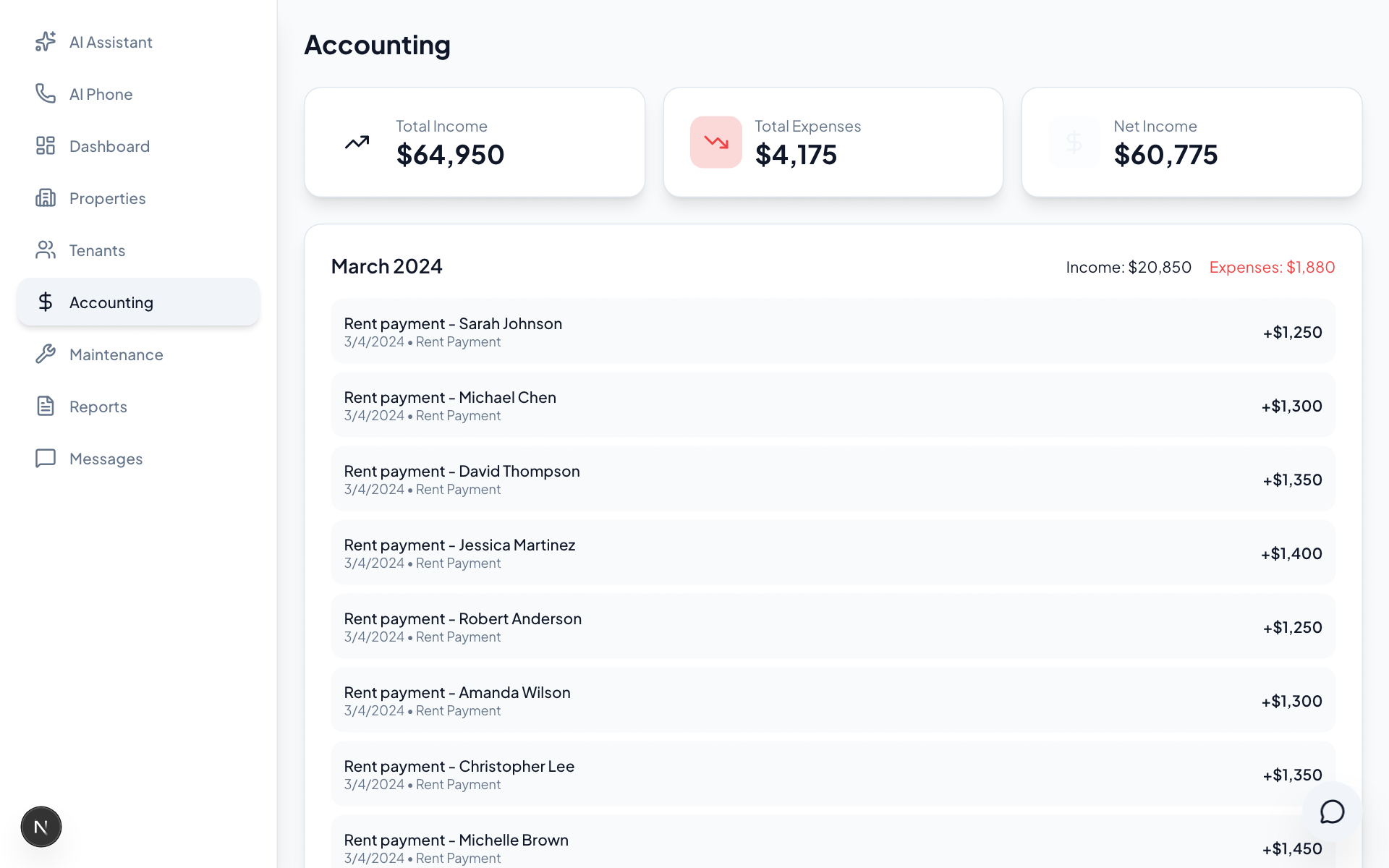
You do not need an accounting degree to run rental property, but you do need a few habits that keep the numbers honest. Most landlord financial trouble is not fraud or bad luck — it is sloppy bookkeeping that hides a problem until it is expensive. The basics below are not glamorous, but they are the difference between knowing whether you are making money and merely hoping you are.
Keep rental money separate
The first rule is to never mix personal and rental finances. Open a dedicated bank account for the rental business and run every rent payment and expense through it. This single habit makes bookkeeping faster, makes tax time cleaner, and protects you if you ever need to show that the rental is run as a real business rather than a personal piggy bank.
Security deposits deserve extra care. Many states require deposits to be held separately, sometimes in a specific kind of account, and sometimes with interest paid to the tenant. Treating a deposit as your own money to spend is one of the most common and costly mistakes a landlord can make, so confirm your local rule and keep that money where it belongs.
Track income and expenses as they happen
The best bookkeeping system is the one you actually keep up with. Record income when you receive it and expenses when you pay them, and do it close to when it happens rather than once a year. Waiting means lost receipts, forgotten cash expenses, and a January spent guessing.
- Log every rent payment, including partial and late ones.
- Save a record of every expense with a receipt or invoice.
- Note which property each dollar belongs to.
- Reconcile against your bank statement on a regular schedule.
Connect your bank, let payments match themselves, and reconcile in minutes instead of an evening.
See bank connectionUse consistent categories
Money is only useful information if it is sorted into categories you can compare over time. A simple chart of accounts — rent income, repairs, insurance, utilities, management fees, and so on — lets you see where money is going and spot when a category jumps. Consistency matters more than perfection: pick categories that match how taxes are reported and use them the same way every month.
If you own more than one property, track by property as well as by category. A portfolio that looks profitable overall can be hiding one unit that quietly loses money every month, and you will never see it if everything is lumped together.
Know which reports to read
A few basic reports tell you almost everything you need to know. An income statement shows whether each property made or lost money over a period. A rent roll shows who owes what and who is behind. A simple cash flow view shows whether more money is coming in than going out. You do not need fancy financials — you need these few numbers, accurate and current.
Read them on a schedule, not just when something feels wrong. Monthly is plenty for most small landlords. The habit of looking is what catches a rising expense or a slow-paying tenant while it is still small.
Consistency beats complexity
There is no prize for the most elaborate accounting setup. A modest system you maintain every month will serve you far better than a sophisticated one you abandon by March. Pick something you will stick with, do it routinely, and resist the urge to fall behind and catch up later, because catching up is always harder than keeping up.
When income, expenses, and reports live in one place that updates as payments come in — the way Rentway handles it — staying consistent stops depending on willpower, which is the only honest way it ever sticks.
Let an AI run your rentals.
Rentway answers the phone, collects rent, and handles the busywork — included on every plan. Start free, no setup fee, no contract.
Start your free trialRelated Articles
Schedule E for Landlords, Explained
A plain-English walk through Schedule E — what it is, the line categories, where depreciation goes, and why tracking each property separately makes filing it painless.
Understanding Rental Cash Flow and ROI
How to actually tell whether a rental is making money — cash flow, cap rate, cash-on-cash return, and the costs that quietly erode all three.
Tax Deductions Every Landlord Should Know
A plain-English overview of common rental property deductions — repairs, depreciation, mileage, and more — to help you keep more of what you earn.