How to Handle Maintenance Requests Efficiently
 Rentway Team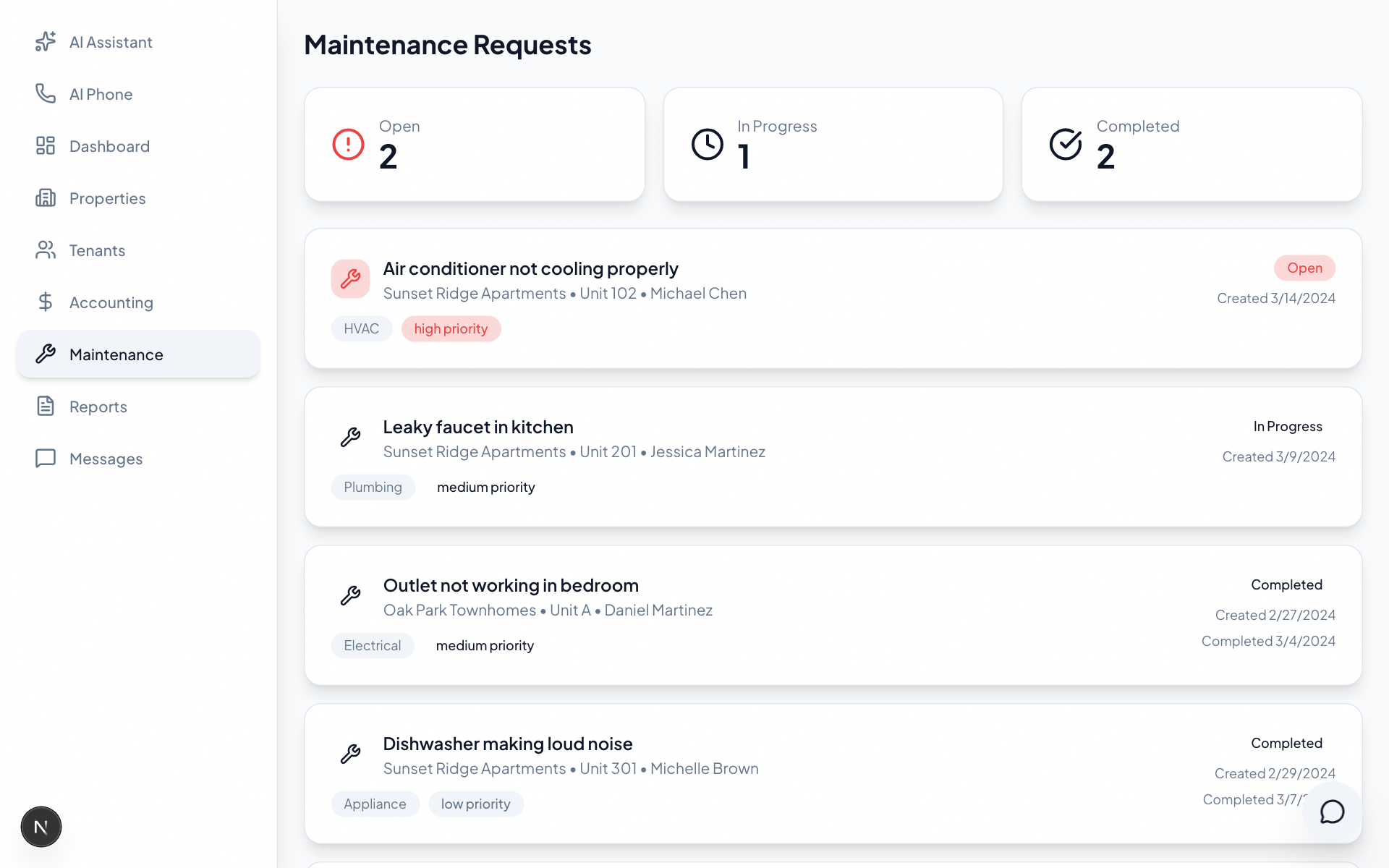
How you handle maintenance requests shapes whether tenants renew or leave. A repair that gets acknowledged the same day and fixed within a few days tells a tenant they are taken seriously. Silence, by contrast, is what turns a dripping faucet into a non-renewal. The good news is that handling requests well is mostly about having a consistent system, not about being available every minute. Here is a workflow that holds up whether you have three units or thirty.
Give requests one front door
The first problem most landlords have is that requests arrive everywhere: a text on Tuesday, a voicemail on Saturday, a comment in passing in the parking lot. Things fall through the cracks because there is no single place they all land. Pick one channel and route everything through it so nothing depends on you remembering a hallway conversation.
Whatever the channel, capture the same basics every time: which unit, what the problem is, when it started, and a photo if the tenant can take one. A photo often tells you whether you need a plumber or a plunger before you ever drive over.
Give tenants one place to report a repair, then triage and dispatch it without the request living in a text thread.
See maintenance requestsTriage by urgency, not by order received
Not every request deserves the same response time. Treating them all as equal means either you overreact to minor issues or, worse, you let a genuine emergency sit in a queue. Sort each request into a tier the moment it comes in.
- Emergency: no heat in winter, no water, active leak, gas smell, anything affecting safety or habitability. Respond immediately.
- Urgent: refrigerator out, a single non-working toilet in a one-bath unit, a failed lock. Respond within a day.
- Routine: a dripping faucet, a loose cabinet hinge, a slow drain. Schedule within a few days to a week.
Habitability standards vary by state, but most jurisdictions hold landlords to a duty to keep core systems like heat, water, and electrical safe and working. When in doubt, treat anything touching habitability as an emergency.
Acknowledge first, fix second
Tenants rarely expect an instant repair. What they expect is to know they were heard. A quick acknowledgment that says you received the request and here is what happens next defuses most frustration, even when the actual fix takes a few days to schedule. The gap between a tenant who feels ignored and one who feels handled is usually just one short reply.
Set a realistic expectation in that first reply. If the part has to be ordered, say so. Tenants are far more patient with a known timeline than with silence.
Close the loop and confirm the fix
A request is not done when the contractor leaves. It is done when you have confirmed the problem is actually solved. Follow up with the tenant after the vendor's work to make sure the repair held and nothing was missed. This catches the cases where the leak was patched but a new drip appeared, and it signals that you care whether the fix worked, not just whether someone showed up.
Closing the loop also protects you. A documented confirmation that the issue was resolved is useful if the same problem resurfaces later and a tenant claims it was never addressed.
Keep a record you can learn from
Every request you log builds a picture over time. Patterns emerge: the unit that floods every spring, the water heater on borrowed time, the appliance you have repaired three times and should simply replace. That history turns reactive scrambling into planned maintenance, which is almost always cheaper. It also gives you a clean record if a tenant ever disputes whether you responded to a problem.
Keeping intake, status, and repair history attached to each unit in one place, the way Rentway handles maintenance requests, means the system runs the same whether the request comes in at nine in the morning or nine at night.
Let an AI run your rentals.
Rentway answers the phone, collects rent, and handles the busywork — included on every plan. Start free, no setup fee, no contract.
Start your free trialRelated Articles
Property Management Work-Order Updates: 4 Tenant Templates
Four copy-ready work-order updates for property managers, plus a minimum viable work-order record and an escalation workflow small landlords can use.
Maintenance Problems Tenants Don't Report Until They Get Expensive
The small leaks, moisture, drain, HVAC, electrical, pest, and exterior problems that quietly become major repairs — and how landlords can make early reporting easier.
What Counts as a Rental Maintenance Emergency?
A practical after-hours guide for landlords: which problems need immediate action, which can safely wait, what to ask the tenant, and how to create a response plan before the next late-night call.